Bike computers and GPS
A bike computer provides real-time data and post-ride insights that make every ride more rewarding, whether you’re out for fun or training for a race. At Oberson, we carry a broad array of bike computers from top brands, such as Wahoo, Garmin, Louis Garneau, and Cateye.
If you need help choosing a device, contact us or stop by our Laval or Brossard stores. Our sales consultants are passionate cyclists who can help you find the right computer for your needs.
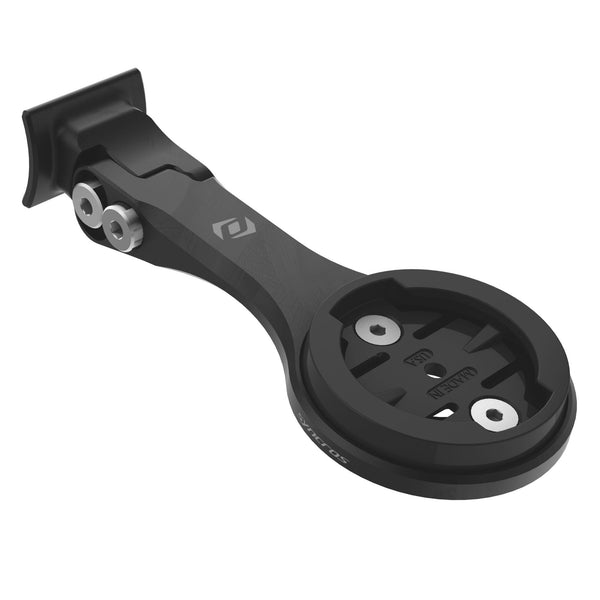
A bike computer is a small device that you mount on your handlebars or stem with a screen that displays data as you ride. The simplest models display riding time, distance, average speed, and a long-term odometer. High-end computers with GPS offer many other features, such as maps, elevation gain, and detailed performance tracking.
Everyone from newbies to pro cyclists can benefit from a bike computer. These powerful devices can help you stay motivated, train more efficiently, and ride with more convenience and safety.
For many riders, just seeing basic data, such as current speed and distance travelled, makes the ride more fun. Or seeing you’re falling behind your usual performance can spur you to pick up the pace. Setting PRs in distance or elevation gain motivates some cyclists to ride farther and higher. Integrations with social fitness tracking apps like Strava can be motivating because you see how you’re performing on segments relative to the leaderboard or your friends. For long-term motivation, many cyclists also enjoy tracking their cumulative stats over the season or working toward specific training goals.
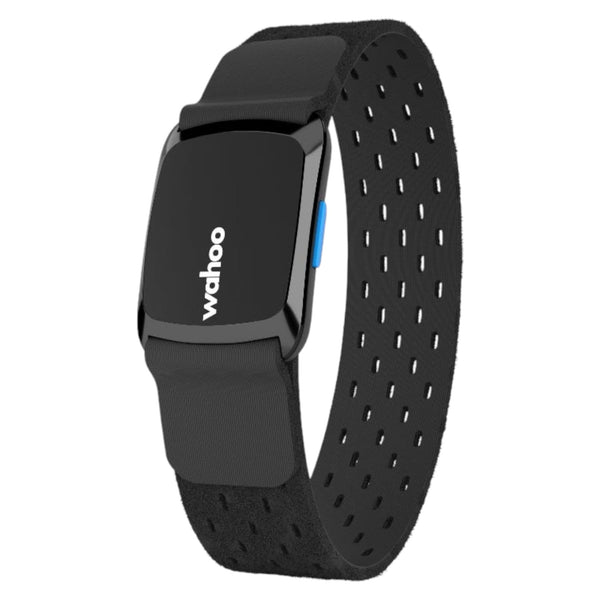
Beyond the extra motivation, a bike computer can help you take your fitness to new heights. Even basic models have screens that record laps and intervals. More advanced ones allow you to upload workouts from training apps or coaches. They then give you live data, such as heart rate, power, and cadence, and prompts to stick to the plan. After the outing, you can sync the data to review your performance and analyze long-term trends so you can adjust the plan as needed.
These devices aren’t just for honing your training plan: they also have features that make everyday riding go more smoothly. For those with electronic shifters, some computers can display battery levels so you won’t be stuck spinning or grinding your way home. GPS-enabled models include maps and location tracking, so you’ll never have to stop and look at your phone (or a map, if you’re old-school). Many devices can sync with apps, such as Trailforks or Kamoot, to provide specific trail or route maps. Pre-loaded routes can also prevent you from taking a wrong turn. And if you’re playing hooky (or on the other end of the spectrum, if you’re a workaholic) and need to stay connected to work, computers with Bluetooth integration give you notifications for emails and texts.
Many bike computers also have features that enhance safety. Live location sharing lets loved ones follow your progress so they’ll know where to pick you up or send help if needed. For further peace of mind, you can enable crash detection systems that automatically send notifications to your emergency contacts if an impact is detected. If you’re concerned about bonking, you can set custom alarms to eat and drink at specific intervals.
Several features boost awareness of your surroundings in various ways. Models compatible with rearview radar sensors alert you to approaching vehicles. Detailed maps and tracking help you anticipate tight curves on steep descents. Some models also allow you to stay one step ahead of Mother Nature with live weather alerts.
With so many ride tracking phone apps available, you may be wondering how a cell stacks up against a bike computer. After all, apps can gather much of the information that cyclists want, such as current speed, average speed, and elevation gain, among many others. They also have downloadable maps for navigation. A phone’s main advantage is that it doesn’t involve any additional expenses, provided you slip it into your pack and have enough data in your plan.
Here are a bike computer’s advantages (some apply only to higher-end models):
Whether you’re a weekend warrior or training for a race, choosing the right bike computer is all about your needs, goals, and budget.
A major dividing line in cost and the amount of features is whether the device includes GPS. Many recreational riders get all the data they want from less expensive devices without it. They can see the basic info, such as average speed, current speed, maximum speed, and distance, among others. Some can even provide approximate vertical gain.
Bike computers with GPS are more expensive but have many more features. They can record your route, provide turn-by-turn navigation, and track elevation with much greater accuracy. They also often have Bluetooth and ANT+ capabilities. This means you can pair them with sensors for heart rate monitors, cadence, and power meters. They sync seamlessly with your phone for ride or training program uploads and notifications. This type of device is best for those who want extra data and functions for serious training, extra convenience and safety, or just as another way of enjoying the sport.